
Know what to look for
Six Common Scams


Learn to recognize and avoid scams
Being digitally savvy doesn't make you scam-proof. In fact, teens and young adults are among the most targeted groups for fraud—often through the very apps and platforms they use every day.
Here's what to watch out for:
Job scam
Looking for a job? Fraudsters create fake job listings to take advantage of inexperienced job seekers. They gain access to your personal information and use it to drain your bank account.
Red flags:
- Remote work with high pay.
- Requests for advanced payment to cover training or equipment costs.
- Requests for personal information during the “application process.”

Influencer scam
Social media influencers are a big part of the lives of Gen Z. Scammers create look-alike accounts to lure people in.
Red flags:
- Off-brand images or text.
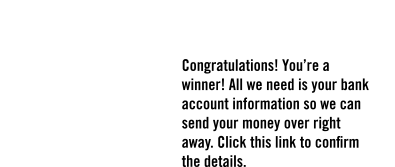
- Winner of fake contest must pay a fee or provide bank account information to collect the prize.
Romance scam
You may know this scam by another name—catfishing. It begins when a scammer steals digital images and starts a fake account, often on a dating website. They lie in wait for an unsuspecting victim to strike up a conversation.
Red flags:
- You’ve never seen them in person.
- They don’t want to video chat.
- They ask for money, over and over.
- They make you feel bad or threaten you if you refuse to pay.

Intimacy scam
Some people develop relationships that are strictly online, which sometimes leads to sharing explicit content that can be used against them.
Red flags:
- The fraudster refuses to turn on their camera for video calls.
- They continually ask for intimate photos or videos of you.
- If you refuse to cooperate, they threaten to post the explicit content publicly to extort money from you or control you.

Online shopping scam
Fake websites or social media accounts often look like an online store selling items at a huge discount. Purchased items never arrive and there is no way to contact the supposed seller.
Red flags:
- Prices that seem too good to be true.
- Typos on webpage or social post.
- Customer service contact email is a common extension like “gmail.com” or “yahoo.com.”
- Bad online reviews.

Delivery scam
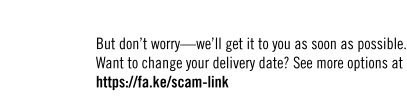
Fraudsters impersonating legitimate companies like Amazon or UPS send a message saying they couldn't deliver your package. They request that you contact them immediately or you will lose your purchase. If you want to confirm the details, log in to your Amazon account or contact the seller at the number they have listed on their website.
Red flags:
- You’re not expecting any deliveries.
- The message has grammar and spelling mistakes.
- The scammer uses urgent or threatening language.
- They ask you to click a link or scan a QR to resolve the problem or avoid fees.

Fraud prevention hub
Get more information on different types of fraud and learn tips to protect yourself.

How to report fraud
Learn what to do in the case of identity theft or if you receive a communication from Mountain America that appears suspicious.

Transaction disputes
Find out what steps to take if you have an unauthorized charge on your card, billing discrepancy or unfulfilled refund.
