Play Banzai, the free financial education program that makes it fun to learn about budgeting, paying for college, saving for a home and paying off debt.
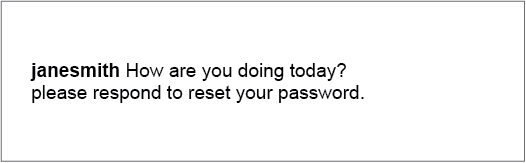
Phishing emails are designed to look legitimate—but they almost always leave clues. Learn the warning signs so you can recognize and avoid them.
Modern scams are sophisticated. Fraudsters disguise emails and texts as legitimate messages, using links to trick you into sharing passwords, financial information or unknowingly downloading malware.
Watch out for phishing red flags
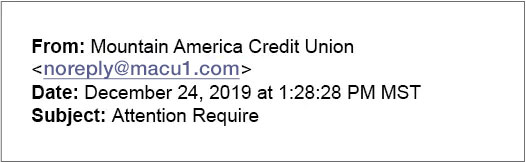
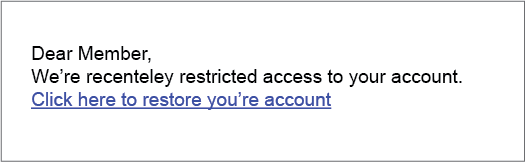
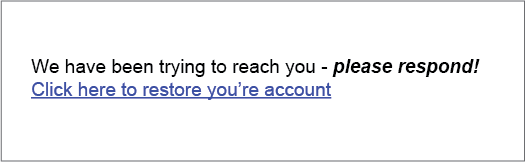
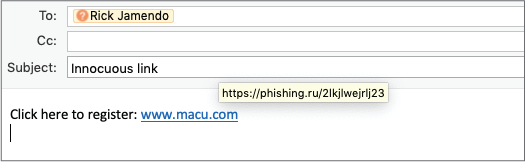
The email address doesn't match the domain of the sender, or it matches except for one minor detail (@macu1.com instead of @macu.com). They use poor spelling, grammar or punctuation. The company’s logo is slightly off. The email creates a sense of urgency. When you hover over a link, the web address directs you to a different company.* * Note: Many organizations use outside vendors to track email data, so this alone does not indicate phishing.
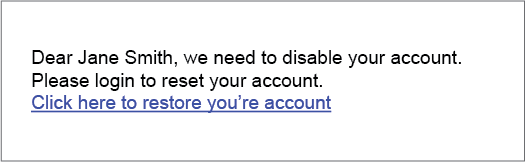
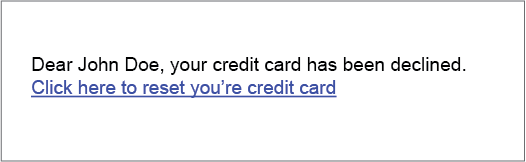
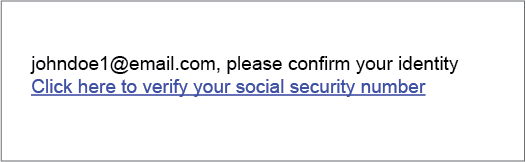
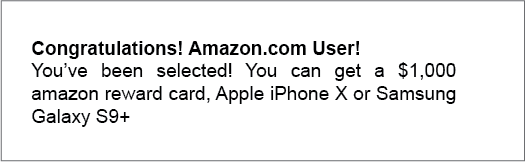
The email warns you of suspicious activity or a need to disable your account. They claim there is a problem with your account or payment information. They ask you to confirm personal information. They say you’ve won a contest or free merchandise, especially if you don’t recall entering the contest. The sender doesn’t address you by name or uses an incorrect name.
Fraud prevention hub
Get the scoop on the most common scams and learn tips to protect yourself.